Buy App Store reviews in May 2026
Buying App Store reviews is the strategy many developers use to accelerate their app's growth in 2025. Discover how to do it safely, which risks to avoid, and where to find the right service in May 2026.

Contents 8 sections
- 1 Why App Store reviews really matter for ranking
- 2 Concrete benefits of buying Apple Store reviews
- 3 Real risks and how to avoid them when buying App Store reviews
- 4 How to choose the right service to buy App Store reviews
- 5 Integrate purchased reviews into a complete ASO strategy
- 6 How much does buying App Store reviews cost and how to calculate ROI
- 7 Frequently asked questions
- 8 Structure your app growth methodically
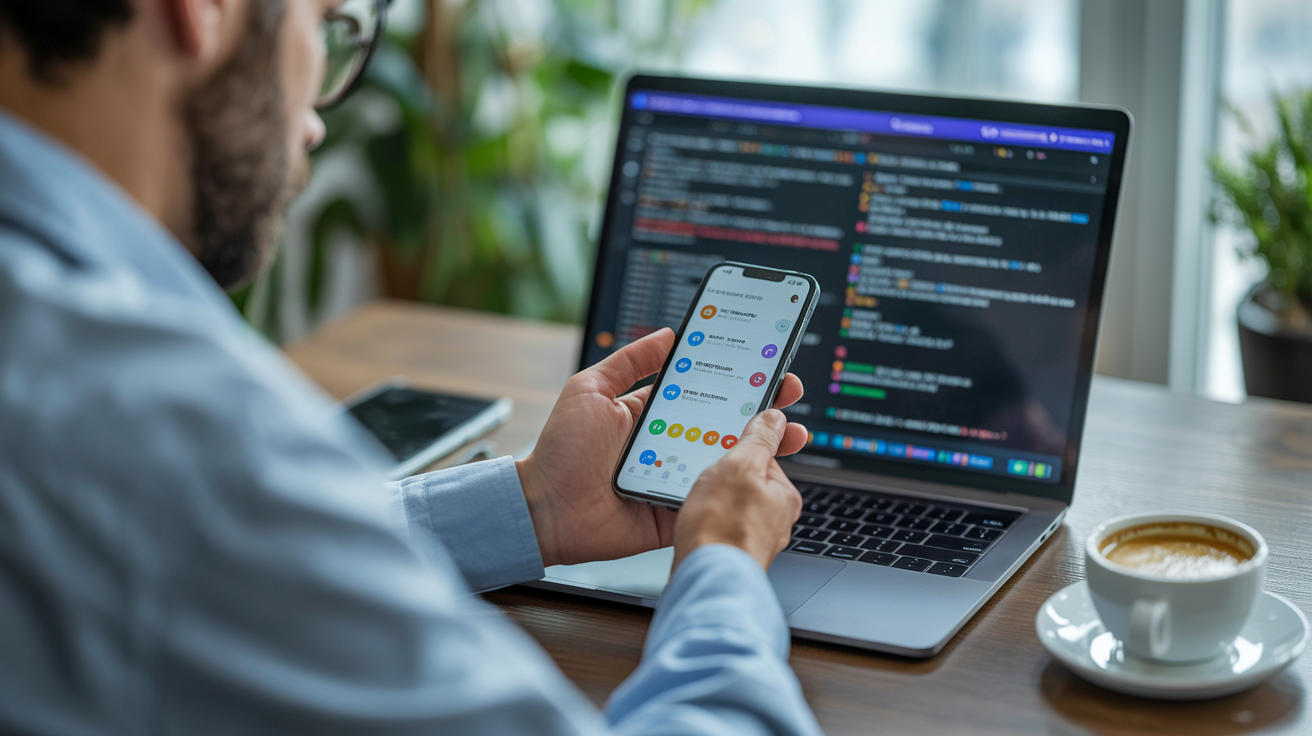
Buying App Store reviews is an increasingly common practice among independent developers, startups, and large companies looking to accelerate their application's visibility on Apple. Reviews are not just star ratings: they determine positioning in internal search results, influence download decisions, and build the public reputation of your app. In May 2026, with over 1.8 million applications available on the App Store, standing out without a solid foundation of positive feedback has become genuinely difficult.
The problem is real: an app with few ratings, even if technically excellent, is perceived as risky or unreliable by users. Apple's algorithm penalizes applications with poor engagement in ratings, relegating them to the last pages of results. The result is a vicious cycle — few reviews, little visibility, few downloads — that can halt growth for months.
This guide answers concrete questions: how does the App Store review mechanism work, why acquiring reviews can make a difference, what risks actually exist, and how to select a reliable provider. No empty promises, just facts and verifiable methods.
Why App Store reviews really matter for ranking
The App Store algorithm — known as ASO (App Store Optimization) — uses several signals to determine an application's position in search results. Among these, the quantity and quality of ratings is one of the heaviest factors, alongside the number of downloads and user retention rate.
A study conducted by Appfigures in 2024 found that applications with an average rating above 4.2 stars receive up to 70% more downloads compared to those below 3.5 stars, with equal category and price. Recent reviews carry more weight than older ones: Apple favors the freshness of feedback. An app that accumulates new positive ratings every week is considered active and relevant by the algorithm.
"App Store reviews are not just social proof: they are a direct algorithmic signal. Every recent 5-star rating acts as a vote of relevance in the eyes of Apple's algorithm." — ASO Analysis, Sensor Tower 2024
Ratings also influence conversion on the app's product page: a user reading 50 detailed positive comments is far more likely to download than one finding only 3. Understanding this mechanism is the first step to recognizing why many developers choose to buy App Store reviews as part of their launch strategy. The next section details the concrete benefits.
Concrete benefits of buying Apple Store reviews
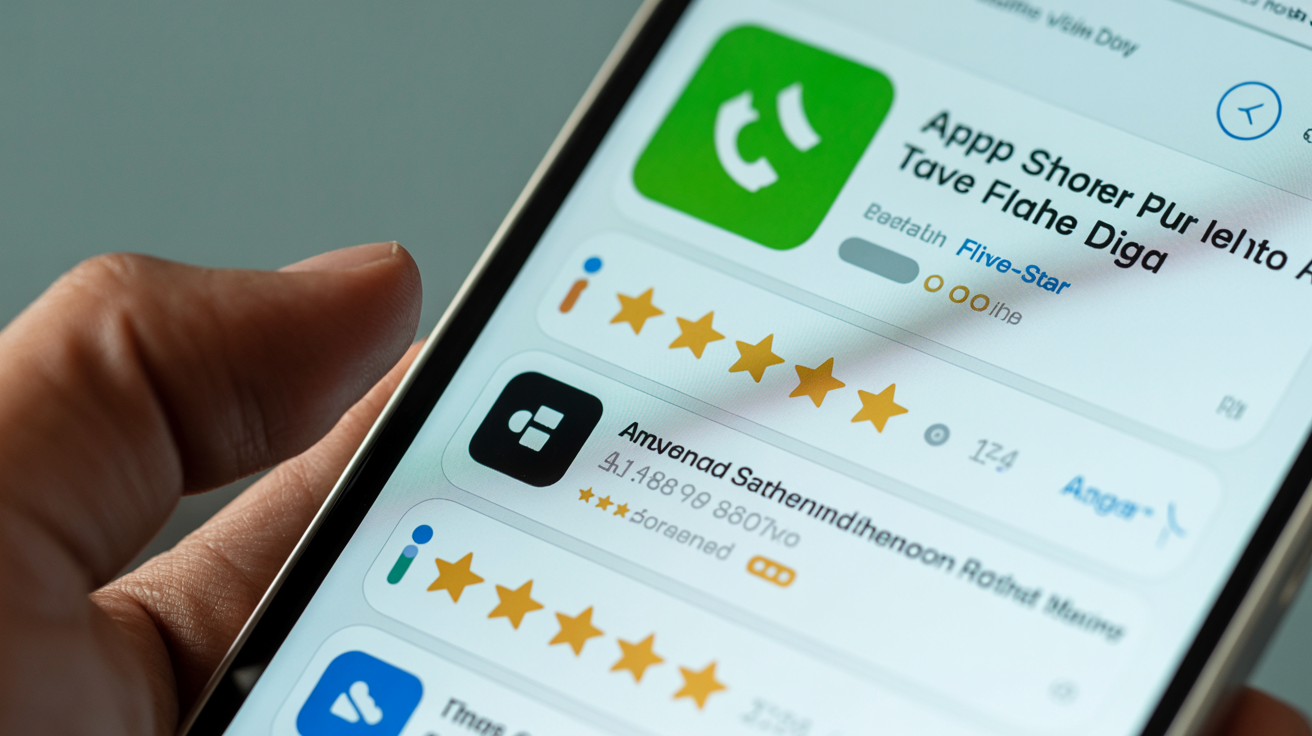
Purchasing ratings on Apple Store delivers measurable benefits, provided you do it methodically. Here are the main advantages documented by those using this strategy professionally:
- ASO ranking acceleration: new positive ratings push your app toward the top positions in searches for relevant keywords. The effect is often noticed within 7–14 days of purchase.
- Immediate credibility effect: an application with 80 reviews convinces more easily than one with 5, even if the product is identical. Perception counts as much as reality.
- Increased conversion rate: more positive ratings on your app's product page translate directly into more organic downloads, creating a virtuous cycle.
- Offsetting negative feedback: one negative review out of 10 total carries less weight than one out of 5. Increasing positive ratings dilutes the impact of critical comments.
- Competitive advantage at launch: in the first weeks of an application's life, such feedback represents a critical trust signal for both the algorithm and users.
These benefits don't replace product quality but amplify it. A mediocre app with many fake reviews won't hold up long-term: real users would quickly leave negative feedback. The strategy works when it supports a genuinely valuable app struggling to emerge for visibility reasons, not quality. Understanding the risk landscape is essential to protecting your investment.
Real risks and how to avoid them when buying App Store reviews
Apple has increasingly sophisticated systems for detecting inauthentic feedback. The main risk is removal of reviews purchased from obviously fake accounts or showing anomalous behavior. In extreme cases, Apple can suspend the app from the store. However, the actual risk depends entirely on the quality of the provider you choose.
Warning signs of an unreliable provider
- Reviews all delivered on the same day or within a few hours (pattern detectable by the algorithm).
- Reviewer accounts with zero registered downloads or empty history.
- Generic texts lacking specific app details ("Great app, highly recommended!").
- No replacement guarantee if reviews are removed.
- Excessively low prices without explanation of quality standards.
How to buy App Store reviews safely
- Choose providers using real accounts with authentic purchase history and genuine activity on the App Store.
- Opt for gradual delivery (drip delivery): 5–10 ratings per day over 2–3 weeks is far more natural than 100 in one day.
- Verify that texts are personalized and specific to your app, not copy-paste generic comments.
- Ask for replacement guarantees: a serious provider replaces any ratings Apple removes.
- Combine purchased feedback with organic growth campaigns: push notifications to real users, in-app feedback requests, public responses to comments.
The difference between a professional service and an improvised one is measured in the care of these technical details. Selecting an inadequate provider to save a few dollars can cost much more in removals and account risk. The next section shows how to concretely evaluate a service before making a purchase.
How to choose the right service to buy App Store reviews
The market for app growth services is populated by operators of highly variable quality. Evaluating a provider requires attention to specific elements, not just price. Platforms like BoostFollowers.io stand out for transparency on methods and the quality of accounts used — the same approach applied to related services like buying Trustpilot reviews, which follow very similar growth logic.
Evaluation criteria for a reliable provider
- Method transparency: does the provider clearly explain how ratings are generated? Does it use real accounts or bots?
- Customization options: can you specify tone, language, and app details to include in feedback?
- Configurable delivery speed: can the client choose a gradual delivery pace?
- Customer support: is there a real and responsive support channel if problems arise?
- Replacement policy: are deleted ratings replaced for free within a guaranteed period?
A useful check before purchasing: search for the provider's own reviews on Google or Trustpilot. A company selling reputation must have verifiable reputation. If feedback from real service users is scarce or absent, it's a signal not to ignore. It's also worth comparing multiple quotes: the average market price in May 2026 for quality App Store review packages ranges from $15 to $60 per 10 reviews, depending on customization level and guarantees offered.
Integrate purchased reviews into a complete ASO strategy
Buying App Store reviews produces best results when part of a broader optimization strategy. Acquired feedback alone boosts credibility, but combined with other ASO elements, you achieve stable and sustainable growth.
ASO elements to pair with reviews
- Title and keyword optimization: your app's name and subtitle must contain keywords you want to rank for in App Store internal searches.
- Professional screenshots and preview videos: visual material is the first element users see. High-quality images increase click-through rate on the page.
- Frequent app updates: Apple favors recently updated applications in search results. Releasing regular updates — even minor improvements — keeps algorithmic relevance high.
- Public response to ratings: responding to feedback, positive and negative, shows the developer is active. Apple considers this a positive engagement signal.
Those managing growth for multiple applications know that digital reputation is built on multiple levels simultaneously. The same logic applies to other ecosystems: managing Google ratings requires an equally structured approach. Refining these elements together with purchased reviews transforms a short-term visibility strategy into lasting competitive advantage.
How much does buying App Store reviews cost and how to calculate ROI
Evaluating service cost without considering return on investment leads to shortsighted decisions. The true indicator is not the package price but the download increase it generates — and the revenue it produces.
An app that gains 20 positions in a competitive category ranking can see a 30–50% increase in organic downloads in the following weeks. If each download generates even just $1 in revenue (through in-app purchases, subscriptions, or freemium model), a monthly increase of 500 downloads is worth $500 monthly in additional revenue. A 50-review quality package costing $100–150 pays for itself in days.
To calculate real ROI, it's useful to track:
- Your app's average position for target keywords, before and after purchase.
- Weekly downloads in the 4 weeks following.
- Your app's average rating and its impact on product page conversion rate.
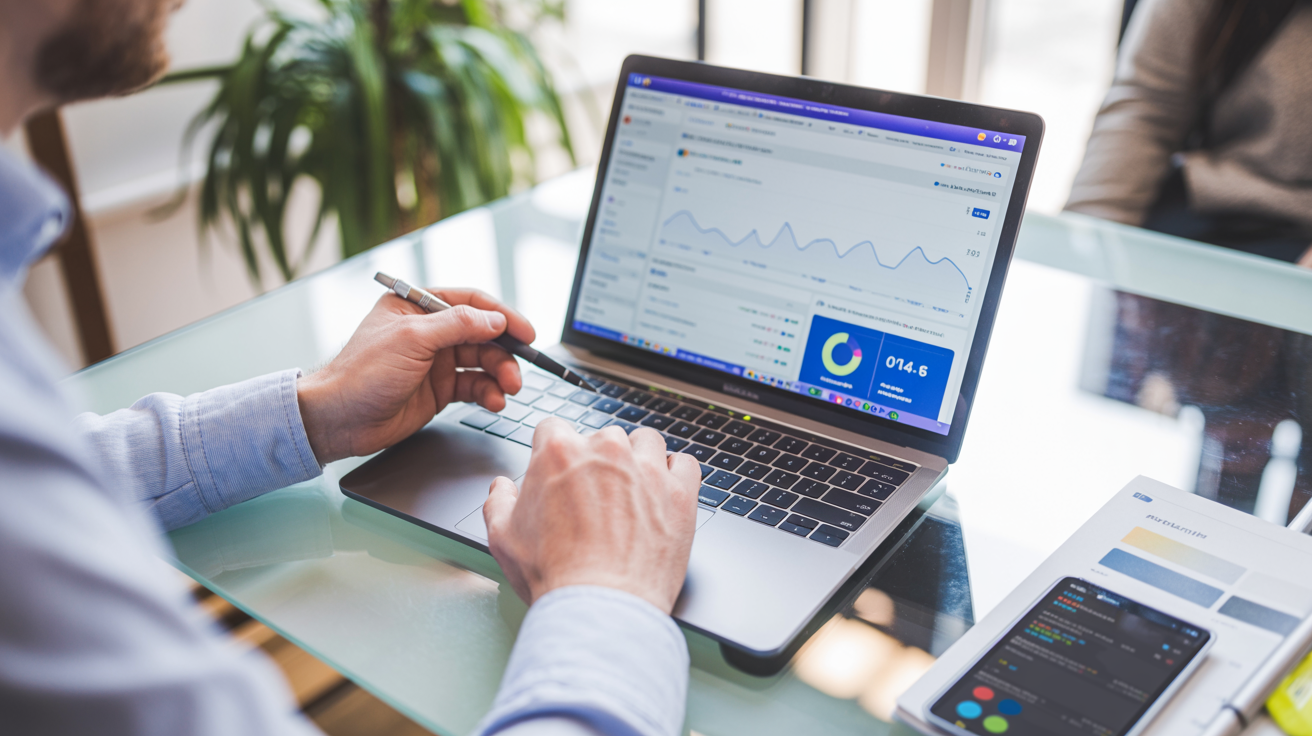
This data is available directly in App Store Connect, Apple's analytics platform. Monitoring it regularly lets you measure strategy effectiveness and calibrate subsequent review purchases based on concrete results. The final section covers frequently asked questions on this topic.
Take your social presence to the next level
Likes, views, followers, reviews: pick the service that matches your goal. Instant start, secure payment, satisfied or refilled.
Frequently asked questions
Is buying App Store reviews legal?
Purchasing ratings is not illegal but violates Apple's Terms of Service if feedback comes from fake accounts or is incentivized non-transparently. The main risk isn't legal but operational: review removal or, in worst cases, app suspension. This is why provider choice — requiring real accounts and undetectable methods — is critical.
How long does it take to see results after buying App Store reviews?
With gradual delivery and quality feedback, first ASO ranking effects are typically noticed within 7–21 days. Average rating improvement is visible sooner, often within the first week. Results also depend on your app category's competitiveness and overall product page quality.
Can purchased reviews be removed by Apple?
Apple periodically removes ratings deemed inauthentic, especially those from accounts with suspicious activity or anomalous publication patterns. A reliable provider significantly reduces this risk by using accounts with genuine usage history and staggered delivery. Always verify the service offers a replacement guarantee if reviews are removed.
How many reviews does an app need to improve App Store positioning?
There's no universal threshold, but in moderately competitive categories an app with at least 50–100 recent ratings and above 4.0 stars begins enjoying stable positioning. In highly competitive categories like Finance, Health, or Productivity, the number needed to stand out can be significantly higher. Analyzing direct competitors remains the most reliable reference point.
Can I buy App Store reviews for an app already on the store?
Yes. The service works for both launches and existing apps. For established applications, acquired feedback helps boost visibility after download decline, counter negative commentary accumulated over time, or support a major update launch. In May 2026 many developers use it exactly at major app update times.
Structure your app growth methodically
By now the picture is clear. Buying App Store reviews is an effective tool when inserted into a structured strategy, supported by quality app and entrusted to a professional provider. It's not a magic shortcut: it's one of the accelerators professionals in the sector use systematically, alongside ASO optimization, continuous app updates, and product page care.
For those wanting to apply similar logic to other channels, it's worth exploring how buying followers safely can support your brand's overall digital growth. Reputation builds on multiple fronts and in May 2026 whoever orchestrates these levers has concrete advantage over those waiting for organic growth.
The next step is practical: analyze your app's current profile on App Store Connect, identify the gap versus competitors on rating and review count, then choose an appropriate package. Explore BoostFollowers.io's App Store reviews service and start building the visibility your app deserves.
Julie Faure
Senior Writer — Social Media
✍️ Professional writer. Web content, SEO & brand content. Specialized in social media & digital marketing.
Julie supports creators, brands and entrepreneurs on their social media strategies and online visibility. She shares hands-on, field-tested advice here to help you understand algorithms, create content that genuinely engages, and turn social presence into a real business growth lever.
Related reads
What Time to Post on TikTok? The Complete 2026 Guide
Hours spent filming, editing and refining your TikTok video… only for it to flop. What if it wasn't your fault? Sometimes, even perfect content fails to break through on TikTok. The real issue lies elsewhere: you didn't post at the right time on the platform. On…

What Time Should You Post on Instagram to Maximize Engagement? (2026 Guide)
You spend time perfecting your visuals, captions, and hashtags... but if you publish at the wrong moment, all that effort goes unnoticed. On Instagram, timing is a vastly underestimated lever — and yet it's decisive. Good news: there are time slots that statistically maximize reach and engagement.

BoostFollowers.io Launches Its New Version! Discover It
BoostFollowers.io, the leading platform since 2011, is launching in 2024 a new version of its e-commerce site. Discover enhanced services to boost your social influence, such as buying YouTube views, Instagram or Snapchat likes, and X followers. With over 10,000 satisfied customers…

Ranking of the Best Platforms to Buy Instagram Followers in 2026
Summary: our ranking of the best Instagram followers platforms Platform Ranking Profile Quality Stability Discretion Value for Money Natural Delivery Customer Support Overall Score…